
Crispy Algae Flakes.
Delicious and nutritious, tastes just like chicken*.



Algae fans, hello! (It’s Thursday, huzzah!)
For a long time Ocean Buffer Project has lived in Word docs, spreadsheets, grant applications and conversations that started with, “What would I do if…”, or “If I had the money to…”.
Then came the funding. After that it lived in my kitchen, my airing cupboard, my new garden shed (especially for algae items, and NOT for the kids’ toys, thank you very much) and basically any other free bit of space in our house.
Then came the land, then the build plans, then this week it felt like something else entirely.
It felt like my job.
Not a passion project, not a hopeful idea, not a funded experiment.
My actual work.
One day I hope to make that a fully fledged employment for myself and others, but the project feels alive this week, more than ever before.
So let me share what I’ve been up to!
*In no way do I recommend eating algae, and I very much doubt it tastes like chicken!
Real, Live, Human Beings.
I’ve officially hired two students for the podcast internship. Two real humans(!), with real skills, who are now part of this. That alone shifts something. Ocean Buffer Project is no longer just me rattling around my demijohns, like some crazy old algae lady. It is a small team beginning to form.
I really can’t wait to get working on this creative side of the project, which should help us spread the word even further. All hands on deck!
Mother Floccing Algae.
On the science side, it has been a mix of well-managed chaos and progress, which is fairly standard practice now.
Two of the algae demijohns failed, they didn’t turn green and essentially flocced while they were still meant to be growing.
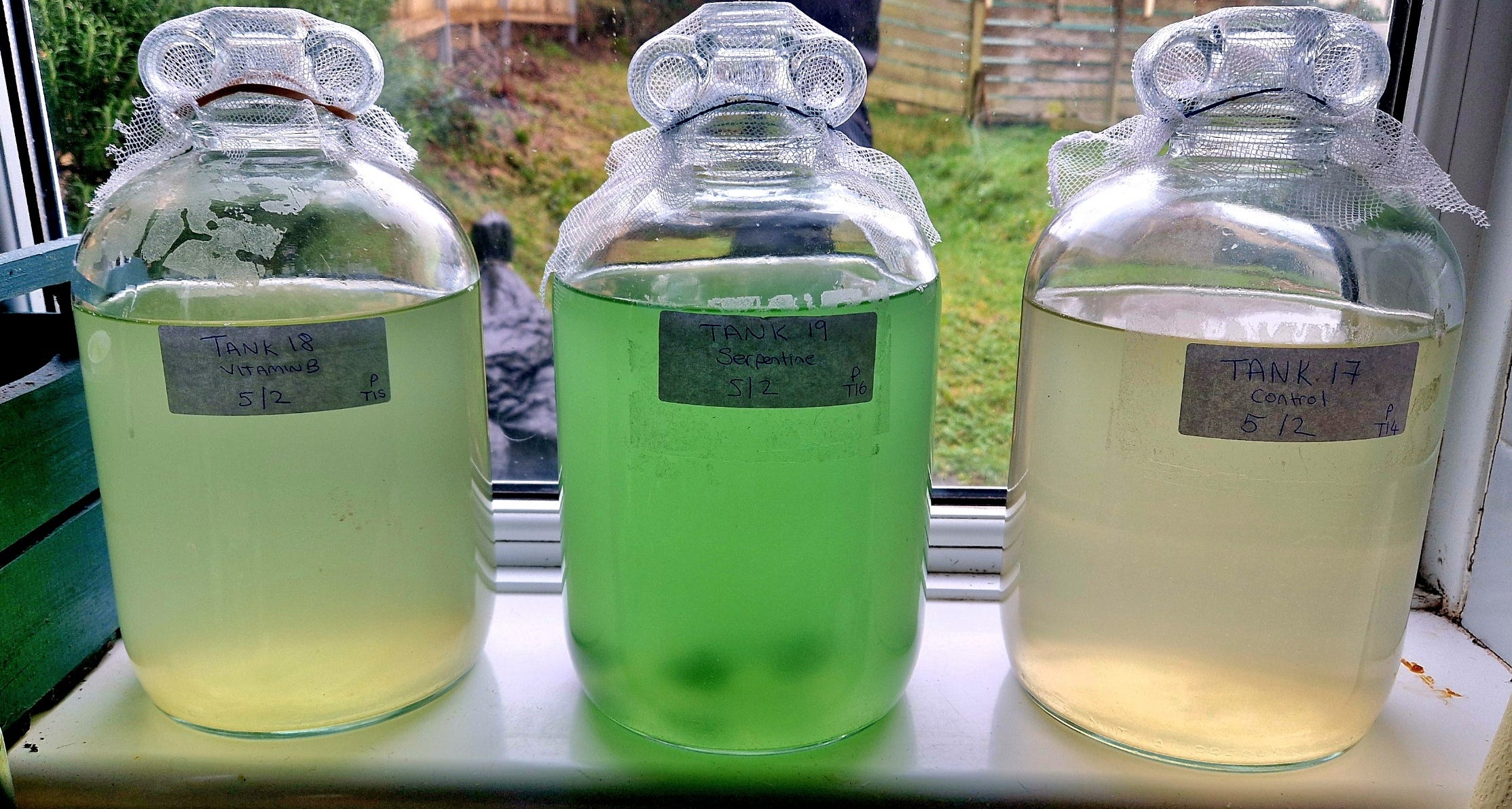
The demijohn with the Serpentine in stayed the healthiest, which points to the stabilising properties of adding alkaline rock.
Quick explanation.
When microalgae are happy, they stay suspended in the water, giving it that deep green colour. When they flocculate, they clump together and sink. In the ocean, this is part of how carbon moves down to the seabed. In my demijohns, it usually means something has gone wrong, if they’re not green and healthy a few days into a new growth.
My current theory is that the tap water wasn’t treated for long enough before use. Even small traces of chlorine or heavy metals can stress the culture. Instead of growing steadily, the algae clumped and dropped out early.
Annoying? Yes.
Useful? Also, yes.
Because I now have a tested reset protocol, and also discovered that even if the algae doesn’t have steady growth and utilise chlorophyll to turn green; I can still harvest the flocs that are in the tank. Exactly like I have been doing this week with the first three demijohns’ worth of algae from this trial run.
Crispy Delicious (maybe?) Algae Flakes.
That’s right, the bigger news this week is yield.
Last week’s harvest was six times higher than the pre-Christmas batches! Six times. Same species. Same basic setup. Just incremental tweaks to nutrients, harvest method and timing.
That is what progress looks like here. Not a breakthrough headline just yet, but things heading in the right direction and numbers slowly but surely nudging up, too.
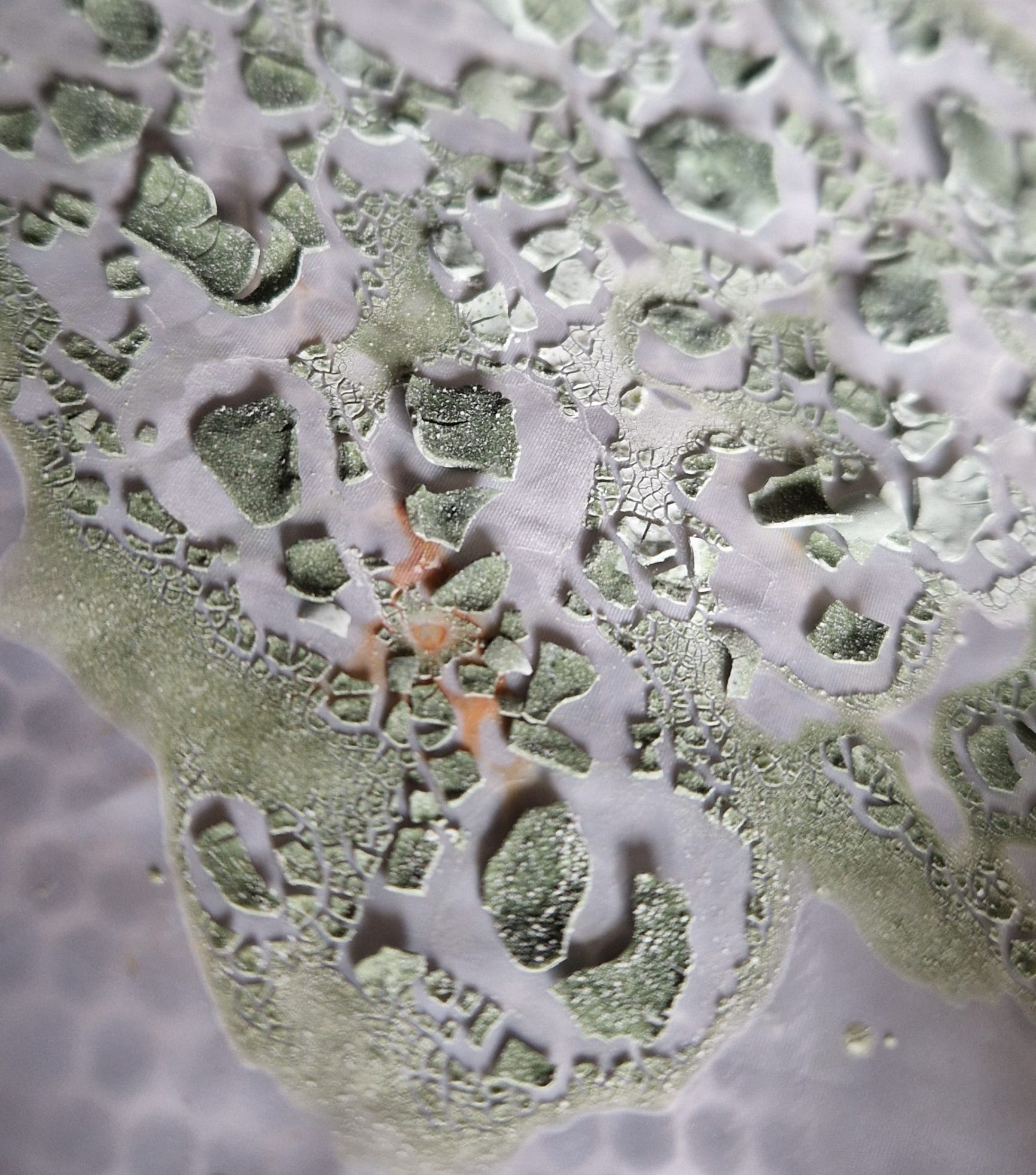
Before and After - algae drying on my homemade drying rack vs a fully harvested batch being weighed.
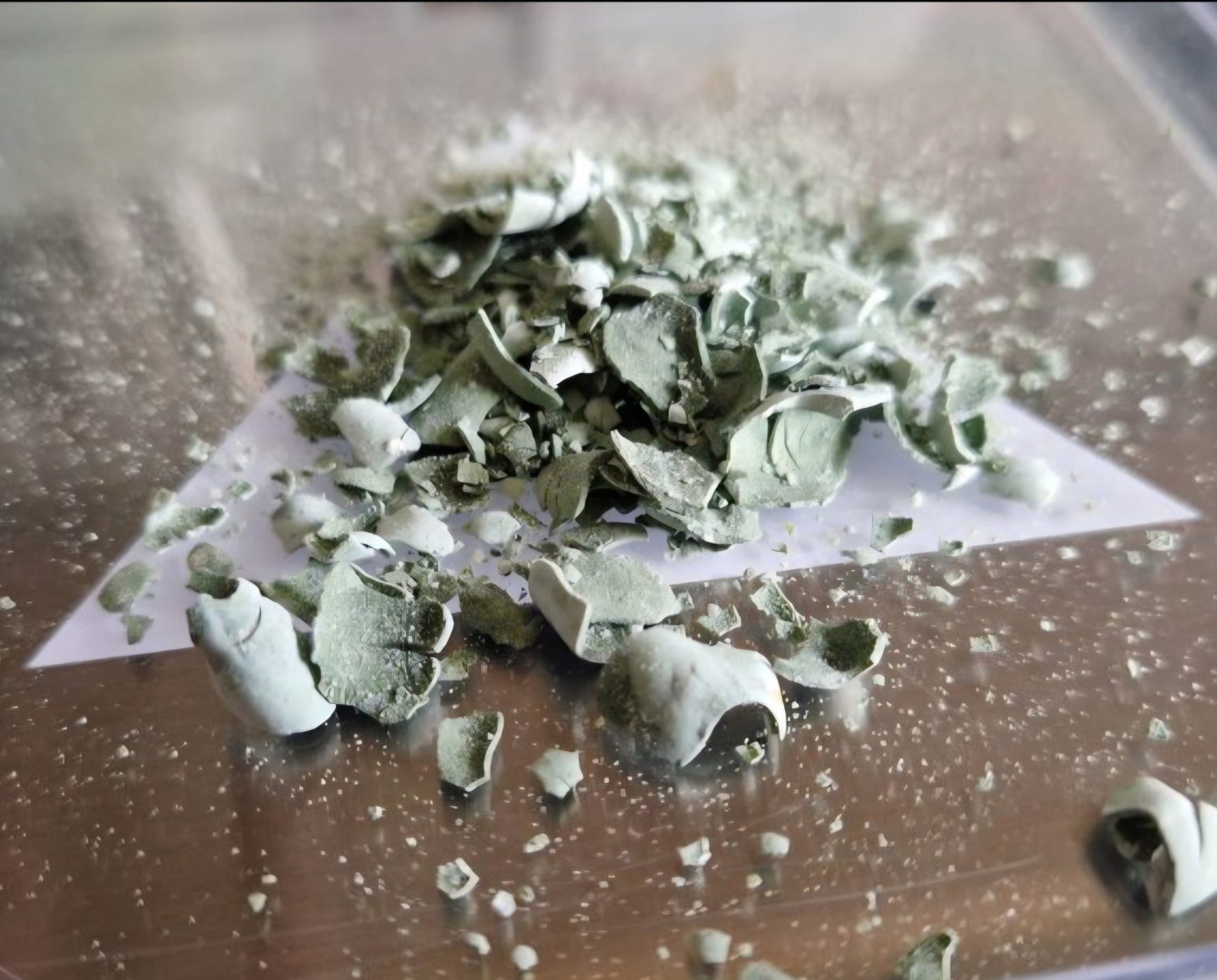
I also experimented with something new this week: reusing the supernatant.
After harvesting algae, you’re left with greenish water that still contains dissolved nutrients and tiny residual cells. That leftover liquid is called the supernatant. Instead of discarding it, I tried using it to start a new culture.
Within days I had instant flocs forming and a visible yield just five days after the initial harvest. In simple terms, the leftover water still had enough life and nutrients in it to kickstart the next batch. It may turn out to be a way of reducing waste and gaining a smaller, second harvest from liquid that initially would have been thrown away.
That needs more testing before I call it a method, but it is promising.
Serious Seaweed & Serious Business.
I attended a webinar on Maerl this week. If you have never come across it, Maerl is a slow-growing, calcifying red algae that forms reef-like beds on the ocean floor. It locks away carbon in calcium carbonate structures and creates habitat for marine life. It was fascinating to see how these systems build structure and store carbon over decades. It reminds me that what we are mimicking on land has deep, ancient parallels in the sea. We’re really lucky that a large, healthy reef of it has been discovered just off the Falmouth coast!
I have also signed up to further UnLtd sessions and started business mentorship. The aim now is to move towards corporate sponsorship, rather than relying solely on grants, for longevity. Funding got us here. Sustainability will keep us here.
If I can secure long-term sponsorship, the next step is clear: pay myself a part-time wage.
Saying that still feels strange, as I have already put in hundreds of hours voluntarily, but the idea that growing microalgae in Cornwall could actually be my employment is both practical and pretty amazing!
Land Ahoy!
Today I am heading to see the land for the first time since it officially became ours. I’ll write properly about that, and our action plan to move forward, next week once I’ve stood there and taken it in.
But this is the bridge, I think.
From “wouldn’t it be amazing if”
To “we secured funding”
To “this is the work I do”.
Here she is, in all her glory…
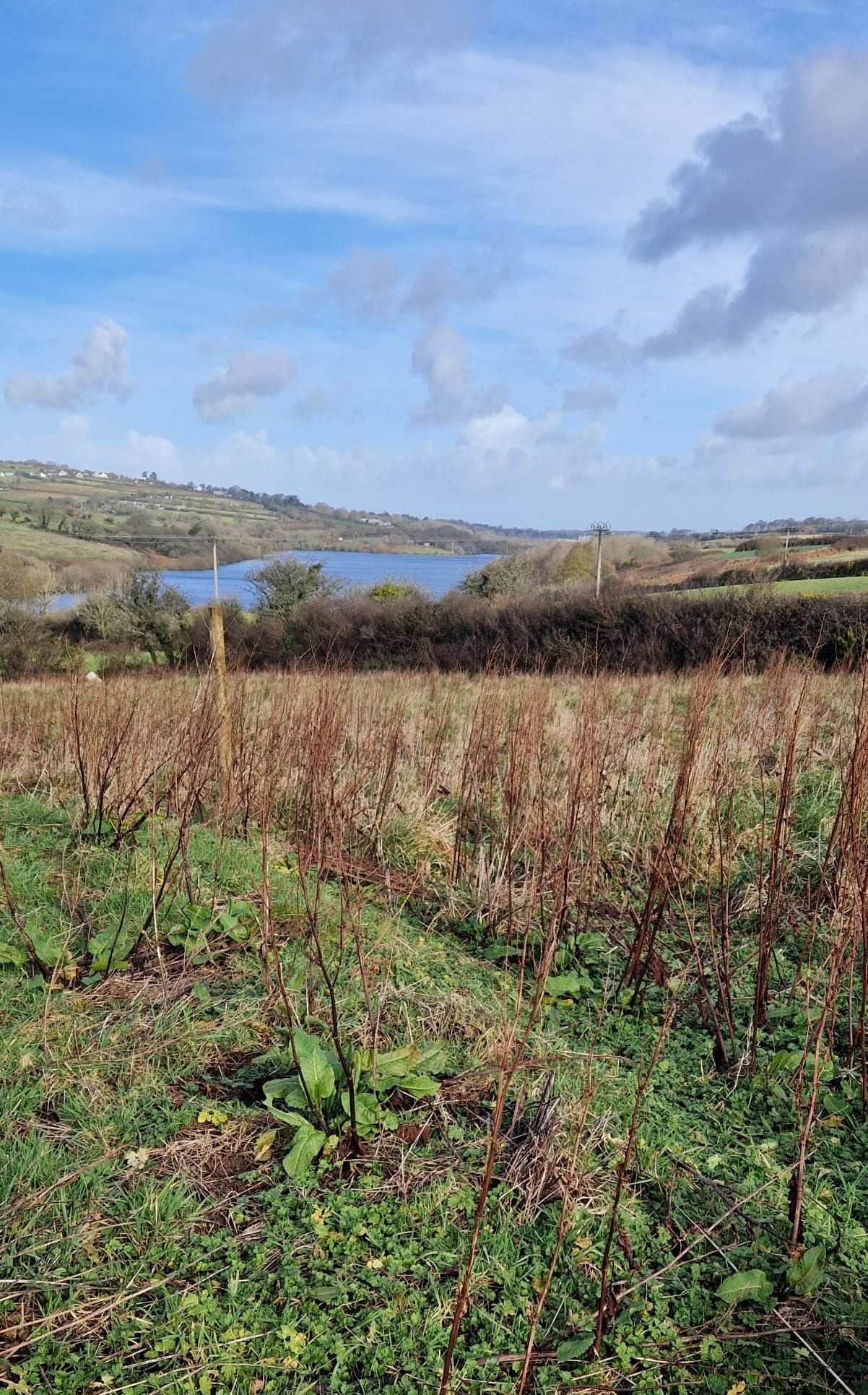
Perfect :-)
Introductory Evening
Don’t forget! You can join us on 26th March - find out what we’ve been up to, see the tanks in real life and see if you’d like to get involved!
Register HERE
🌿 The Ocean Buffer Hub is coming in 2026.
Born in Cornwall | Built for the planet.
🌍 Check out our online shop and all other resources HERE

Proud to be part-funded by Cornwall Council’s Climate and Nature Fund.

Ocean Buffer Hub made possible by The National Lottery Community Environment Fund.

Ash x
Founder, Ocean Buffer Project CIC
📍 Cornwall, UK
> © 2026. All rights reserved. Please do not reproduce without permission. But do share the science far and wide!